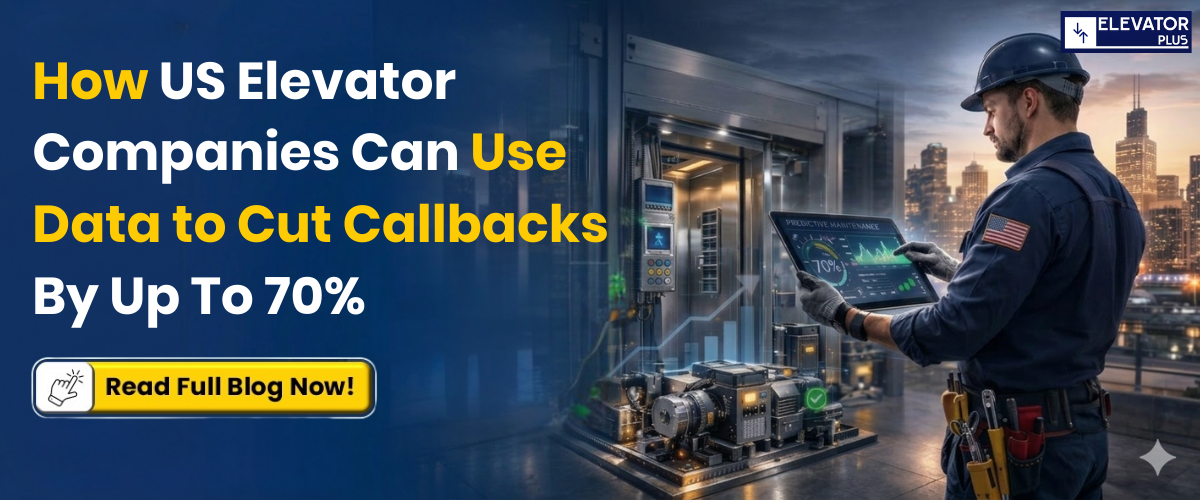
How US Elevator Companies Can Use Data to Cut Callbacks by Up to 70%
Across the United States, elevator service companies face a costly and persistent operational problem: elevator callbacks.
A callback occurs when a technician must return to the same job site shortly after completing a repair because the issue was not fully resolved or a related problem occurs again.
For elevator contractors managing hundreds or thousands of elevators, callbacks create a chain reaction of operational challenges:
- Increased operational costs
- Technician inefficiency
- Excessive truck rolls
- Frustrated building owners
- Declining profit margins
In many cases, callbacks happen because service teams lack access to reliable maintenance data and performance insights.
Many US elevator contractors still rely on:
- Paper maintenance logs
- Disconnected service tracking systems
- Incomplete technician notes
- Manual inspection documentation
Without centralized service data, it becomes extremely difficult to identify the root causes of recurring failures.
However, the elevator industry is entering a new era of data-driven maintenance management.
By using elevator service data analytics, companies can track service patterns, detect recurring faults, and dramatically reduce callbacks.
In fact, many elevator companies across major US cities are already seeing callback reductions of up to 70% by using service analytics and maintenance performance tracking.
𝗔 𝗥𝗲𝗮𝗹-𝗪𝗼𝗿𝗹𝗱 𝗦𝗰𝗲𝗻𝗮𝗿𝗶𝗼: 𝗧𝗵𝗲 𝗖𝗮𝗹𝗹𝗯𝗮𝗰𝗸 𝗣𝗿𝗼𝗯𝗹𝗲𝗺
Consider a mid-sized elevator service company operating across Chicago.
The company manages over 800 elevators across:
- Commercial office buildings
- Residential towers
- Hospitals
- Hotels
- Mixed-use developments
Despite having a skilled team of technicians, the company struggled with several persistent issues:
- Frequent door operator failures
- Recurring ride quality complaints
- Repeated technician visits to the same buildings
- Rising maintenance costs
Technicians were frequently dispatched back to the same buildings for callbacks within days of the previous repair.
The service manager suspected that the company was fixing symptoms rather than root causes, but without reliable service data, identifying patterns was nearly impossible.
After implementing a data-driven elevator maintenance tracking system, the company began analyzing:
- Elevator maintenance logs
- Service history records
- Ride quality monitoring data
- Technician repair notes
- Service call frequency
Within months, clear patterns began to emerge.
Certain elevator models had recurring door sensor issues, while others showed consistent leveling inaccuracies.
By addressing these root causes proactively, the company significantly reduced callbacks.
𝗪𝗵𝗮𝘁 𝗔𝗿𝗲 𝗘𝗹𝗲𝘃𝗮𝘁𝗼𝗿 𝗖𝗮𝗹𝗹𝗯𝗮𝗰𝗸𝘀?
An elevator callback occurs when a technician must return to a building shortly after a repair due to unresolved or recurring issues.
Callbacks often occur when:
- A repair only addresses the visible symptom
- Related components are not inspected
- Technicians lack historical service information
- Underlying mechanical problems remain undetected
For elevator service companies, callbacks are more than just minor inconveniences.
They represent lost time, increased costs, and missed service opportunities.
𝗪𝗵𝘆 𝗖𝗮𝗹𝗹𝗯𝗮𝗰𝗸𝘀 𝗔𝗿𝗲 𝗮 𝗠𝗮𝗷𝗼𝗿 𝗣𝗿𝗼𝗯𝗹𝗲𝗺 𝗳𝗼𝗿 𝗨𝗦 𝗘𝗹𝗲𝘃𝗮𝘁𝗼𝗿 𝗖𝗼𝗻𝘁𝗿𝗮𝗰𝘁𝗼𝗿𝘀
Callbacks significantly impact the profitability and efficiency of elevator service operations.
Some of the biggest operational consequences include:
Increased Truck Rolls
Every callback requires dispatching a technician back to the site.
This increases:
- Fuel costs
- Travel time
- Vehicle wear and tear
Reducing callbacks is one of the most effective ways to achieve elevator truck roll reduction.
Technician Overtime
Callbacks often force technicians to work beyond scheduled hours.
This increases labor costs and reduces workforce productivity.
Delayed Service for Other Clients
When technicians return to previous job sites, they are unavailable for new service calls.
This delays maintenance for other buildings.
Increased Maintenance Costs
Frequent callbacks indicate that underlying equipment problems remain unresolved.
Over time, these unresolved issues can lead to larger and more expensive failures.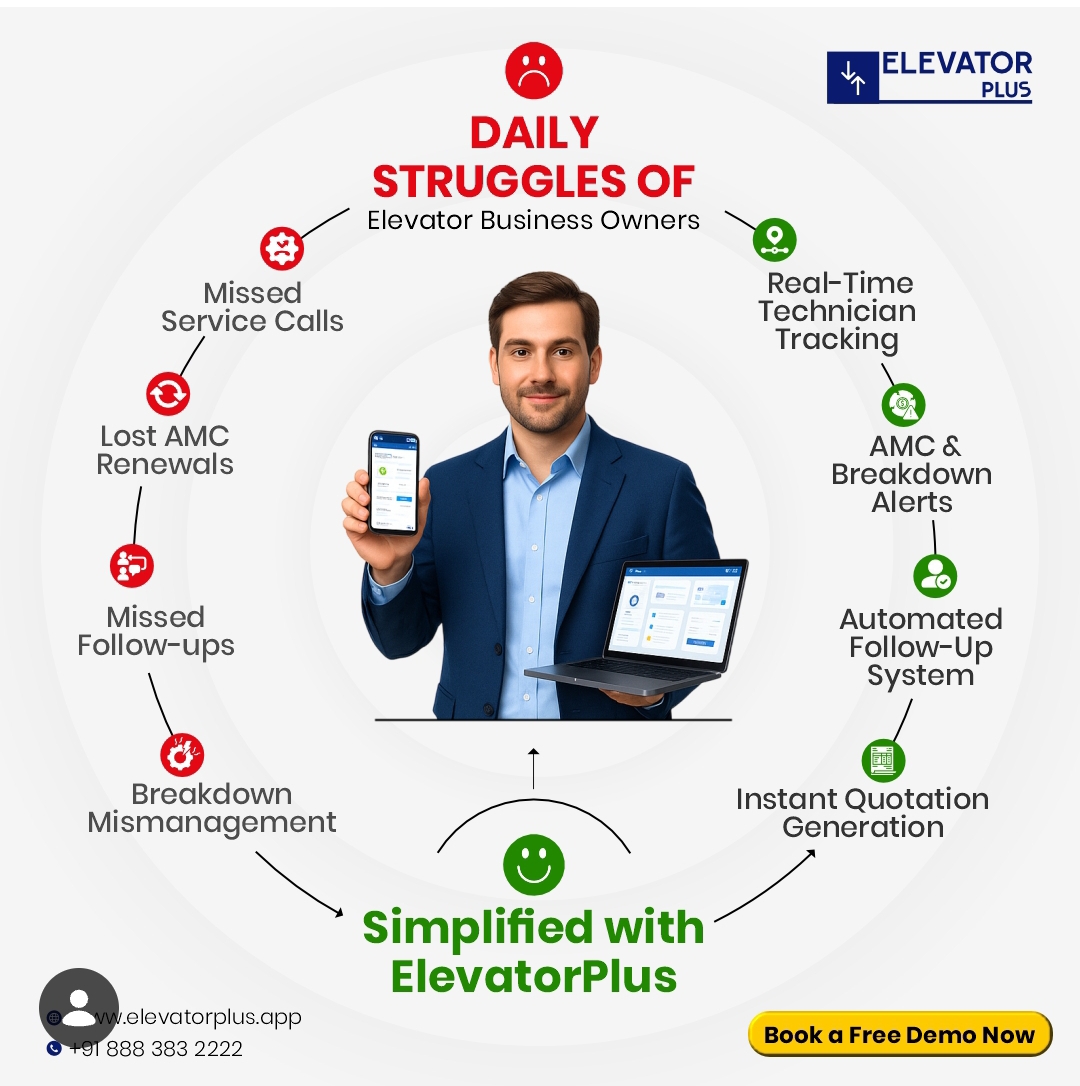
𝗛𝗼𝘄 𝗗𝗮𝘁𝗮 𝗖𝗮𝗻 𝗥𝗲𝗱𝘂𝗰𝗲 𝗘𝗹𝗲𝘃𝗮𝘁𝗼𝗿 𝗖𝗮𝗹𝗹𝗯𝗮𝗰𝗸𝘀
Data plays a critical role in identifying recurring maintenance problems.
When elevator companies collect and analyze service data, they gain valuable insights into equipment performance.
Important data sources include:
- Elevator service call history
- Technician repair notes
- Ride quality monitoring data
- Component failure history
- Service frequency metrics
By analyzing this information, companies can identify patterns that reveal recurring faults.
For example:
- Door operators failing after similar service intervals
- Elevators with repeated leveling issues
- Frequent service calls related to outdated controllers
Using elevator service data analytics, contractors can address root causes instead of temporary fixes.
𝗧𝗿𝗮𝗰𝗸𝗶𝗻𝗴 𝗥𝗶𝗱𝗲 𝗤𝘂𝗮𝗹𝗶𝘁𝘆 𝘁𝗼 𝗗𝗲𝘁𝗲𝗰𝘁 𝗛𝗶𝗱𝗱𝗲𝗻 𝗣𝗿𝗼𝗯𝗹𝗲𝗺𝘀
Ride quality monitoring is becoming an increasingly valuable tool in elevator maintenance.
Modern monitoring systems measure performance indicators such as:
- Vibration levels
- Acceleration smoothness
- Leveling accuracy
- Door opening and closing timing
These measurements help technicians detect mechanical problems before passengers notice them.
For example:
- Excessive vibration may indicate worn guide shoes
- Inconsistent leveling could signal brake wear
- Door timing delays may reveal motor issues
Using elevator ride quality monitoring, contractors can resolve hidden problems early.
𝗨𝘀𝗶𝗻𝗴 𝗠𝗮𝗶𝗻𝘁𝗲𝗻𝗮𝗻𝗰𝗲 𝗟𝗼𝗴𝘀 𝘁𝗼 𝗜𝗱𝗲𝗻𝘁𝗶𝗳𝘆 𝗙𝗮𝗶𝗹𝘂𝗿𝗲 𝗣𝗮𝘁𝘁𝗲𝗿𝗻𝘀
Maintenance logs provide a historical record of elevator service activity.
Digital elevator maintenance logs USA allow companies to track:
- Component replacements
- Repair history
- Service frequency
- Inspection results
When analyzed over time, these records reveal patterns such as:
- Frequently failing components
- Recurring door operator issues
- Elevators nearing modernization needs
- Gaps in preventive maintenance schedules
This information helps contractors make better maintenance decisions.
𝗗𝗮𝘁𝗮-𝗗𝗿𝗶𝘃𝗲𝗻 𝗠𝗮𝗶𝗻𝘁𝗲𝗻𝗮𝗻𝗰𝗲 𝗣𝗹𝗮𝗻𝗻𝗶𝗻𝗴
Data-driven maintenance planning allows elevator companies to shift from reactive repairs to proactive service management.
Using elevator maintenance tracking software, companies can:
- Schedule preventive service based on usage data
- Identify high-risk equipment
- Prioritize modernization projects
- Reduce emergency breakdowns
This approach improves overall elevator maintenance efficiency.
𝗛𝗼𝘄 𝗗𝗮𝘁𝗮 𝗛𝗲𝗹𝗽𝘀 𝗥𝗲𝗱𝘂𝗰𝗲 𝗧𝗿𝘂𝗰𝗸 𝗥𝗼𝗹𝗹𝘀
One of the biggest benefits of data analytics is reducing unnecessary technician dispatches.
With better diagnostic insights, technicians can arrive prepared with:
- The correct spare parts
- Accurate diagnostic information
- Proper repair tools
This significantly reduces repeat visits.
Benefits include:
- Fewer callbacks
- Reduced fuel expenses
- Improved technician productivity
𝗕𝗲𝗻𝗲𝗳𝗶𝘁𝘀 𝗳𝗼𝗿 𝗕𝘂𝗶𝗹𝗱𝗶𝗻𝗴 𝗢𝘄𝗻𝗲𝗿𝘀 𝗮𝗻𝗱 𝗣𝗿𝗼𝗽𝗲𝗿𝘁𝘆 𝗠𝗮𝗻𝗮𝗴𝗲𝗿𝘀
Reducing callbacks benefits not only elevator contractors but also building owners and property management companies.
Key benefits include:
1) Improved Elevator Uptime
2) Fewer callbacks mean elevators stay operational longer.
3) Better Tenant Experience
4) Reliable elevators improve tenant satisfaction in residential and commercial buildings.
5) Increased Building Safety
6) Preventive maintenance reduces the risk of equipment failure.
7) Predictable Maintenance Costs
8) Building managers can plan maintenance budgets more effectively.
𝗧𝗵𝗲 𝗥𝗼𝗹𝗲 𝗼𝗳 𝗘𝗹𝗲𝘃𝗮𝘁𝗼𝗿 𝗦𝗲𝗿𝘃𝗶𝗰𝗲 𝗦𝗼𝗳𝘁𝘄𝗮𝗿𝗲 𝗮𝗻𝗱 𝗗𝗮𝘁𝗮 𝗣𝗹𝗮𝘁𝗳𝗼𝗿𝗺𝘀
Modern elevator companies rely on elevator service management software and elevator data analytics platforms to manage maintenance operations.
These platforms provide tools such as:
- Maintenance reporting dashboards
- Technician performance tracking
- Service call analysis
- Inspection documentation management
Using elevator field service management software, contractors gain real-time visibility into their service operations.
This visibility enables better decision-making and improved operational efficiency.
𝗧𝗵𝗲 𝗙𝘂𝘁𝘂𝗿𝗲 𝗼𝗳 𝗗𝗮𝘁𝗮-𝗗𝗿𝗶𝘃𝗲𝗻 𝗘𝗹𝗲𝘃𝗮𝘁𝗼𝗿 𝗠𝗮𝗶𝗻𝘁𝗲𝗻𝗮𝗻𝗰𝗲 𝗶𝗻 𝘁𝗵𝗲 𝗨𝗻𝗶𝘁𝗲𝗱 𝗦𝘁𝗮𝘁𝗲𝘀
The future of elevator maintenance is increasingly driven by data and connectivity.
Emerging technologies are transforming how elevator companies manage equipment performance.
Key innovations include:
- smart elevator monitoring systems
- AI-powered maintenance analytics
- connected elevator diagnostics
These technologies will allow elevator companies to predict failures before they occur.
As a result, data will become the foundation of modern elevator service management.
Stay Connected! Follow us on Facebook, LinkedIn, Twitter, and Instagram for the latest updates and industry news!
𝗙𝗔𝗤 𝗦𝗲𝗰𝘁𝗶𝗼𝗻
What is an elevator callback?
An elevator callback occurs when a technician must return to the same building shortly after completing a repair because the issue was not fully resolved.
Why do elevator callbacks happen?
Callbacks usually happen when underlying mechanical or electrical problems remain undetected or when technicians lack access to historical service data.
How can elevator companies reduce callbacks?
Elevator companies can reduce callbacks by using service data analytics, tracking maintenance history, monitoring ride quality, and identifying recurring equipment failures.
How does data help improve elevator maintenance?
Maintenance data helps identify failure patterns, prioritize preventive maintenance, and detect equipment issues before they cause breakdowns.
What tools help track elevator service performance?
Tools such as elevator maintenance software, elevator service management software, and elevator field service management software help companies monitor technician activity, service calls, and equipment performance.
Stay Connected! Follow us on Facebook, LinkedIn, Twitter, and Instagram for the latest updates and industry news!