Licensed vs Non-Licensed Elevator Service Providers
The elevator management services industry is a highly regulated and specialized sector that requires a high level of skill, knowledge, and experience.
Elevator management services include the installation, maintenance, repair, inspection, and modernization of elevators, escalators, and other vertical transportation systems. These services are essential for ensuring the safety, efficiency, and reliability of these systems, as well as complying with the relevant codes and standards.
However, not all elevator service providers are the same.
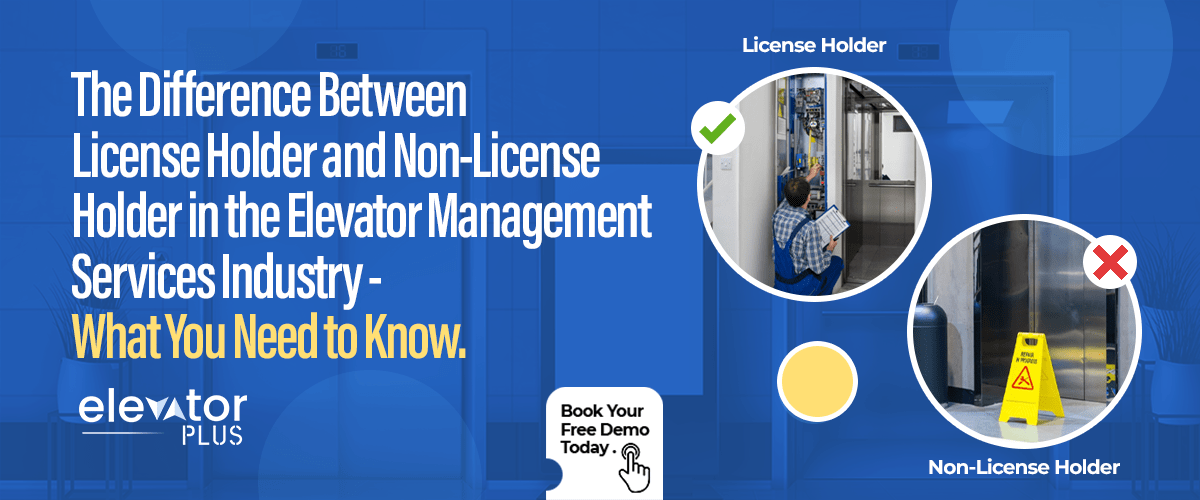
There are two types of elevator service providers in the industry: license holders and non-license holders.
License holders are those who have obtained a valid license or certification from a recognized authority such as the state or local government.
Non-license holders are those who have not obtained such a license or certification, or whose license or certification has expired, been suspended, or revoked.
What are the differences between license holders and non-license holders, and why do they matter?
Here are some of the key differences and their implications for the elevator management services industry:
Quality of service.
License holders are required to meet certain criteria and standards of quality, such as education, training, experience, and examination, to obtain and maintain their license or certification.
They are also required to follow the best practices and procedures of the industry and to adhere to the latest codes and regulations.
Non-license holders, on the other hand, may not have the necessary qualifications, skills, or knowledge to provide quality service. They may also use outdated or substandard methods, materials, or equipment, or violate the codes and regulations.
This can result in poor performance, errors, defects, or accidents, compromising the safety and efficiency of the elevator systems and the users.
Liability and accountability.
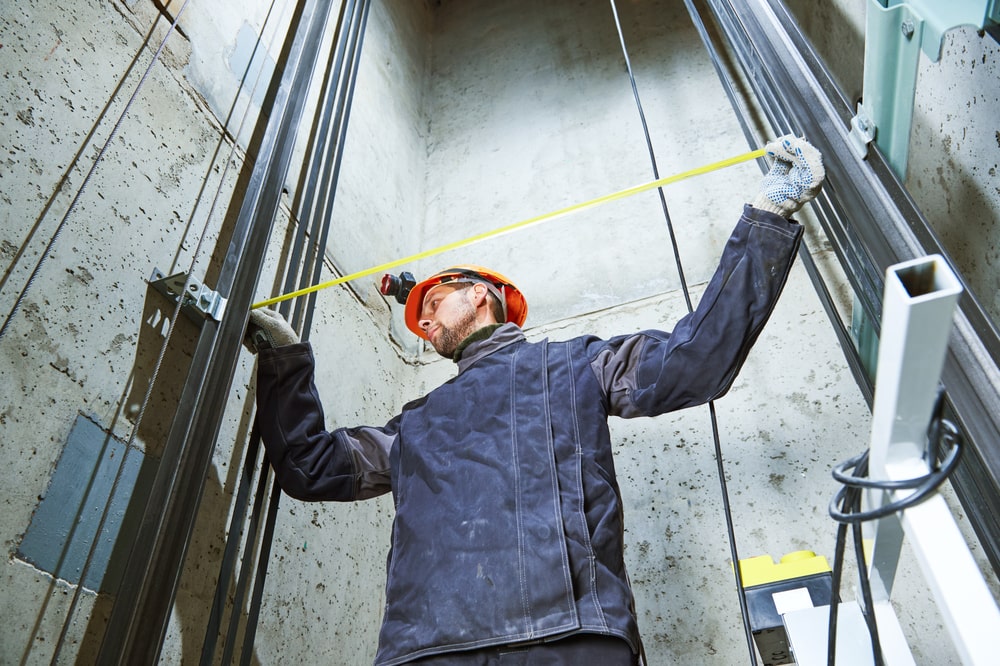
License holders are liable and accountable for their work, and are subject to regular audits, inspections, and reviews by the licensing or certifying authority. They are also required to carry adequate insurance and bonding and to report any incidents or complaints to the authorities.
Non-license holders, on the other hand, may not have any liability or accountability for their work, and may not be subject to any oversight or monitoring by any authority.
They may also lack sufficient insurance or bonding, and may not report any incidents or complaints to anyone. This can result in legal, financial, or reputational risks for the elevator service providers and their customers, as well as potential harm or loss for the elevator users.
Competitiveness and credibility.
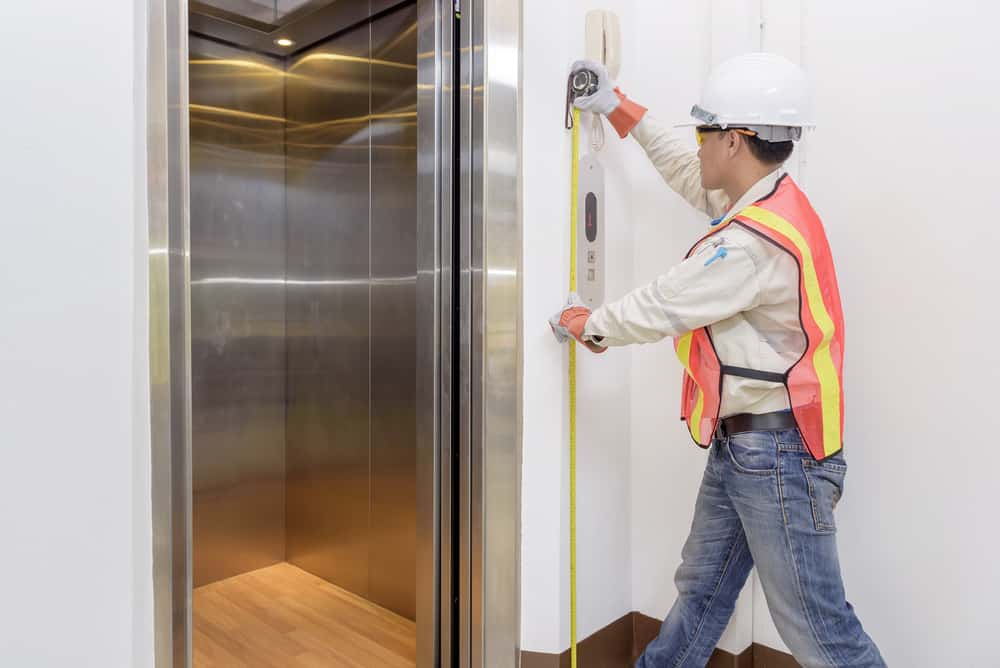
License holders have a competitive and credible edge in the elevator management services industry, as they can demonstrate their competence, professionalism, and value to their customers and the public.
They can also access various benefits and opportunities, such as membership, recognition, networking, and education, from the licensing or certifying authority.
Non-license holders, on the other hand, may have a disadvantage and a dubious reputation in the industry, as they may not be able to prove their competence, professionalism, or value to their customers or the public.
They may also miss out on various benefits and opportunities, such as membership, recognition, networking, and education, from the licensing or certifying authority.
These are some of the differences between license holders and non-license holders in the elevator management services industry, and why they matter.
As you can see, being a license holder is not only a legal requirement but also a strategic advantage, for any elevator service provider who wants to succeed and grow in the Elevator management industry.
By obtaining and maintaining a license or certification from a recognized authority, you can ensure your elevator services' quality, safety, and reliability, and enhance your liability, accountability, competitiveness, and credibility in the market.
If you need help with obtaining or renewing your license or certification, you can contact your state or local government for more information and guidance.
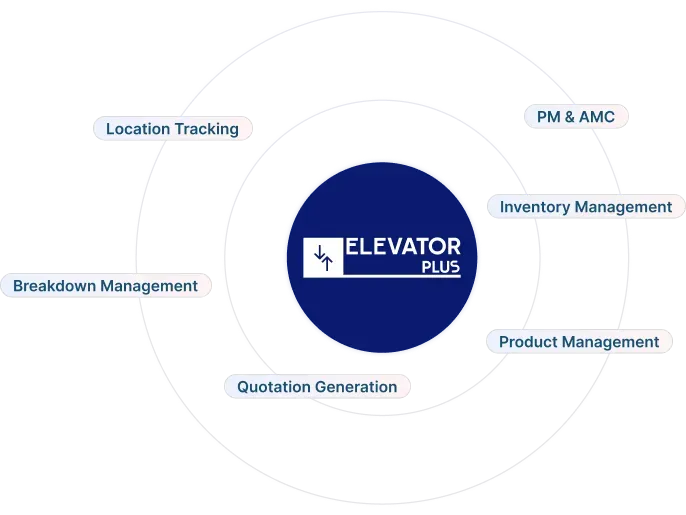
If you need help with managing your elevator service business, you can use Elevator Plus, a cloud-based software platform that automates and streamlines all your operations, tasks, and procedures.
Elevator Plus also allows you to communicate and collaborate seamlessly with your team members, customers, and contractors.