Elevator Maintenance Software vs Traditional Scheduling USA
Why Elevator Service Operations Are Changing
The elevator service industry in the United States is facing a major shift in how maintenance operations are managed.
Across the country, more than 1.2 million elevators operate inside office buildings, residential towers, hospitals, airports, hotels, and public infrastructure. What makes maintenance more challenging is that nearly 60% of these elevators are over 15 years old, meaning they require frequent servicing and inspections.
Older elevators typically lead to:
- More service calls
- Increased maintenance work
- More safety inspections
- Higher compliance requirements
At the same time, elevator contractors must manage growing operational pressure from:
- Technician shortages
- Increasing service demand
- Rising compliance documentation requirements
- Competition from large OEM elevator companies
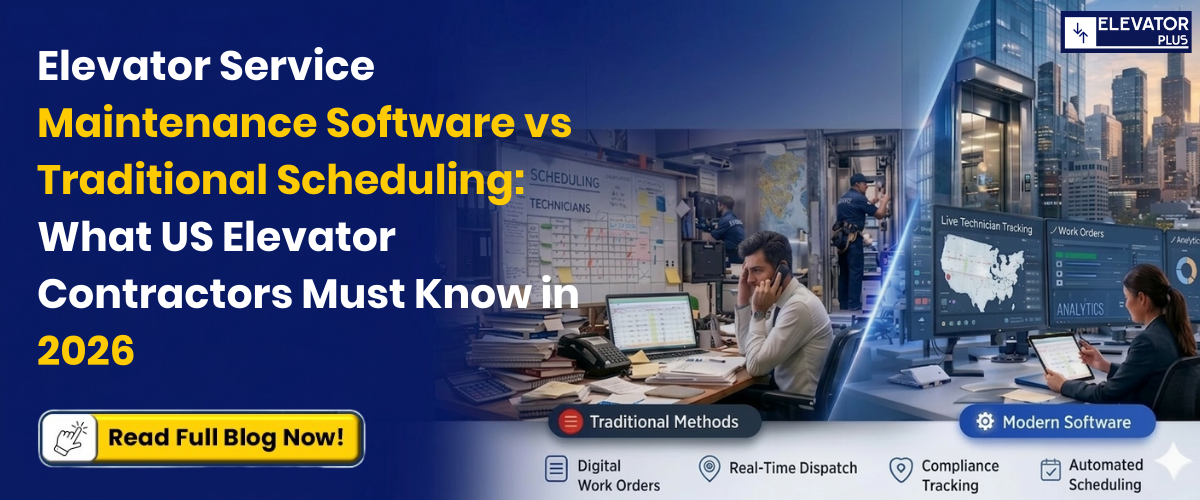
Many contractors still manage their service operations using manual scheduling systems such as spreadsheets, phone dispatching, or paper maintenance logs.
However, as elevator portfolios grow larger and more complex, these traditional methods become increasingly difficult to manage.
This is why many elevator companies are transitioning to elevator service maintenance software, elevator service management software, and elevator field service management software to improve operational efficiency.
🚀 Still managing elevator service schedules using spreadsheets or whiteboards?
👉 Discover how modern elevator maintenance software USA helps contractors automate scheduling and compliance.
Overview of the US Elevator Service Market
The United States has one of the largest elevator service markets in the world, with millions of people relying on elevators every day.
Major cities such as New York City, Chicago, Los Angeles, Seattle, Dallas, and Miami contain thousands of high-rise buildings with elevators operating continuously.
Each elevator requires regular servicing, inspections, and safety testing. Contractors must also maintain elevator preventive maintenance logs, comply with AHJ inspection elevator USA regulations, and prepare documentation required for elevator maintenance audit USA reviews.
Managing these tasks manually can quickly become overwhelming for service companies handling hundreds of elevators.
That is why many contractors are implementing elevator maintenance software USA and elevator service management software to centralize service schedules, maintenance history, and compliance documentation.
Meanwhile, rapidly growing cities such as Phoenix, Austin, Denver, Atlanta, Orlando, and Nashville are seeing significant construction activity. These cities are adding new commercial buildings and residential towers every year.
Each new building adds additional elevators that require long-term maintenance services.
To handle this increasing workload, many service companies are adopting:
- Elevator AMC software to manage maintenance contracts
- Elevator inventory management systems to track spare parts
- Elevator field service management software to manage technician dispatch
These digital platforms help contractors scale operations while maintaining service quality.
💡 Managing hundreds of elevators across multiple buildings?
👉 See how elevator contractor management software simplifies service operations.
Traditional Elevator Service Scheduling Explained
Traditional scheduling systems have been used by elevator contractors for decades.
Common methods include:
- Paper service logs
- Excel spreadsheets
- Whiteboard scheduling systems
- Manual technician assignments
- Phone-based dispatching
Dispatchers assign technicians to service calls manually and communicate instructions through phone calls or printed work orders.
Technicians may not receive updates about schedule changes or new service requests until they return to the office.
While these methods were sufficient when elevator portfolios were smaller, they become inefficient when companies manage large service networks.
Problems With Manual Elevator Scheduling
Manual scheduling methods introduce several operational challenges.
Limited Visibility
Dispatchers cannot easily track technician locations or job status in real time.
Scheduling Conflicts
Manual systems often cause:
- Missed service appointments
- Technician double bookings
- Delayed emergency response
Compliance Risks
Paper documentation increases the risk of missing important records required for AHJ inspection elevator USA compliance.
Poor Maintenance Tracking
Maintaining accurate elevator preventive maintenance logs becomes difficult when records are stored across multiple spreadsheets or paper forms.
Inefficient Technician Routing
Technicians may travel long distances between service sites, reducing productivity and increasing fuel costs.
As service portfolios grow, these inefficiencies significantly affect operational performance.
🚀 Want to reduce service delays and technician travel time?
👉 Learn how elevator field service management software improves dispatch efficiency.
What Is Elevator Service Maintenance Software?
Elevator service maintenance software is a digital platform designed to help elevator contractors manage service operations more efficiently.
These platforms centralize important service information including maintenance schedules, technician assignments, inspection documentation, and service history records.
Most modern platforms combine several tools into one system, including:
- Elevator service management software
- Elevator contractor management software
By digitizing service workflows, contractors can eliminate paperwork and gain better visibility into operations.
How Elevator Maintenance Software Is Different from Traditional Scheduling
Traditional scheduling systems rely heavily on manual processes.
Dispatchers must assign technicians manually, update spreadsheets, and track service records across different documents.
In contrast, elevator service maintenance software automates many of these tasks.
Technician schedules are managed digitally, maintenance records are stored in centralized databases, and inspection documentation can be accessed instantly.
Instead of relying on manual tracking, contractors receive automated alerts for upcoming inspections, maintenance tasks, and compliance deadlines.
This reduces administrative work and helps contractors manage large elevator portfolios more efficiently.
💡 Curious how digital elevator platforms improve service efficiency?
👉 Explore the benefits of modern elevator service maintenance software.
How Software Improves Technician Dispatch
Modern elevator service scheduling software significantly improves technician coordination.
Dispatchers can assign technicians to service calls based on:
- Job urgency
- Technician expertise
- Location proximity
Digital systems provide real-time visibility into technician availability and job progress.
Key capabilities include:
- Real-time technician tracking
- Automated job assignment
- Route optimization
- Mobile technician applications
- Digital service reports
This allows contractors to respond faster to service requests and reduce travel time between jobs.
Benefits for Elevator Contractors
Using elevator maintenance software USA provides several operational benefits.
First, digital platforms improve operational efficiency by automating scheduling, reporting, and service documentation.
Second, office teams spend significantly less time managing paperwork.
Third, contractors can easily prepare documentation required for elevator maintenance audit USA reviews.
Fourth, dispatchers can respond quickly to emergency service requests.
Finally, maintaining accurate elevator preventive maintenance logs ensures proper service history documentation for inspections.
🚀 Looking to modernize your elevator maintenance operations?
👉 Discover how digital service platforms simplify elevator management.
Benefits for Property Managers and Home Lift Owners
Digital service platforms also benefit property managers and building owners.
They gain greater transparency into elevator service operations and can access maintenance records whenever needed.
Building owners can review:
- Service reports
- Maintenance schedules
- Inspection documentation
- Compliance records
For home lift owners, digital maintenance tracking ensures consistent servicing and improved safety.
AHJ Inspection Compliance and Documentation
Preparing for AHJ inspections requires accurate documentation.
Inspectors typically request maintenance records, safety test reports, service logs, and repair documentation.
Using elevator compliance software USA, contractors can store and access these records instantly.
This makes inspection preparation faster and reduces compliance risks.
Preventive Maintenance for Aging Elevators
Because many elevators in the United States are aging, preventive maintenance has become essential.
Digital maintenance systems allow contractors to schedule maintenance tasks based on equipment age, usage patterns, and service history.
Preventive maintenance reduces unexpected breakdowns and extends elevator lifespan.
Competing with OEM Elevator Companies
Large OEM companies operate sophisticated service systems.
Independent contractors must adopt modern technology to remain competitive.
Using elevator service maintenance software, independent contractors can provide faster service, improved reporting, and better customer communication.
A Modern Platform Built for Elevator Contractors
Modern elevator service platforms such as ElevatorPlus are designed specifically for elevator contractors managing complex service operations.
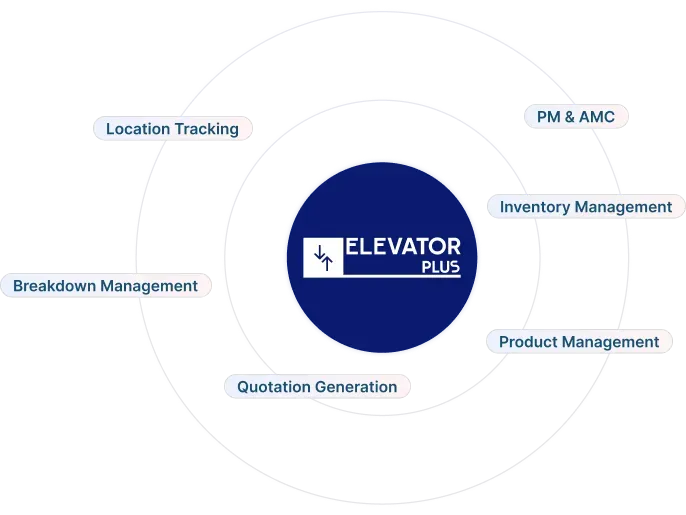
These platforms combine several tools including elevator service management software, elevator contractor management software, elevator AMC software, and elevator compliance software USA.
By centralizing service operations into one platform, contractors gain better control over scheduling, compliance tracking, and technician dispatch.
The Future of Elevator Service Operations
The elevator service industry is moving toward digital transformation.
Future service platforms will increasingly include predictive maintenance analytics, IoT monitoring systems, automated inspection tracking, and AI-driven scheduling.
Contractors who adopt digital platforms today will be better positioned to handle future service demands.
Ready to Modernize Your Elevator Service Operations?
Managing elevator maintenance manually is becoming increasingly difficult as service portfolios grow.
Modern elevator service maintenance software helps contractors simplify scheduling, manage compliance documentation, and improve technician productivity.
👇
Discover how digital elevator service platforms can transform your maintenance operations.
Follow ElevatorPlus for Industry Insights
Connect with us on LinkedIn, Facebook, Instagram, YouTube, and X (Twitter) to stay updated with elevator industry trends and service management insights.