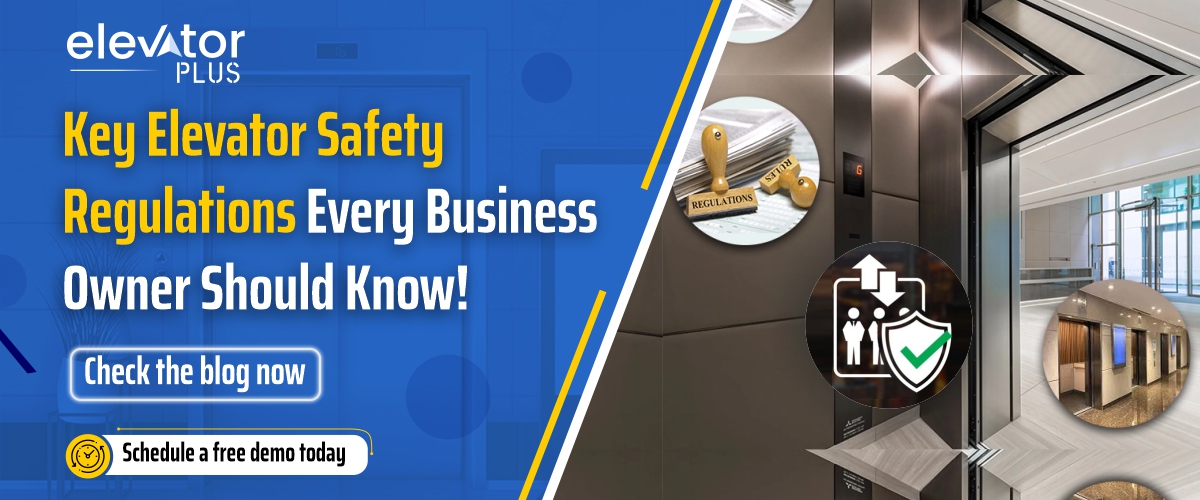
Key Elevator Safety Regulations Every Business Owner Should Know!
Key Elevator Safety Regulations Every Business Owner Should Know!
Safety regulations in the elevator industry are designed to protect users, technicians, and business owners alike. Compliance with these standards is not only mandatory but also ensures that elevators operate smoothly and safely, reducing liability and improving user confidence. For business owners, understanding these key safety regulations is essential to maintaining a safe, efficient, and compliant operation. This guide will walk you through the most important elevator safety standards and practices every business owner should know.
Why Elevator Safety Regulations Matter?
Elevator safety regulations are set forth by organizations such as the American Society of Mechanical Engineers (ASME), the International Organization for Standardisation (ISO), and other regional safety boards. Compliance with these regulations helps prevent accidents, reduce downtime, and ensures consistent maintenance and testing. Adhering to safety regulations also minimizes potential legal issues and reinforces your brand’s commitment to safety and quality.
1. ASME A17.1/CSA B44 - Safety Code for Elevators and Escalators
The ASME A17.1/CSA B44 code is a key standard for elevator safety. This comprehensive code outlines essential requirements for the construction, installation, and operation of elevators and escalators. Business owners need to ensure compliance with ASME A17.1/CSA B44, as it covers:
- Construction and installation standards: These include specifications for shafts, control systems, and load requirements.
- Periodic inspections and maintenance: Regular inspections are required to identify and address any safety issues.
- Emergency operation and signalling devices: These standards outline requirements for alarm systems, emergency lighting, and communication devices to assist trapped passengers.
2. ISO 8100-1 & ISO 8100-2 - Global Standards for Elevator Design and Installation
ISO standards 8100-1 and 8100-2 establish guidelines for elevator safety worldwide. For business owners with operations in multiple countries, adherence to ISO 8100 ensures consistency in safety and quality across locations. These standards address:
- Passenger and freight elevator design and installation requirements.
- Safety features such as car door sensors, emergency brake systems, and fire-resistant materials.
- Inspection procedures to maintain compliance and detect potential hazards early.
Ensuring that your elevators are ISO-compliant also boosts credibility with clients and stakeholders by showing a commitment to international safety standards.
3. ADA Compliance - Accessibility for All Users
ADA mandates that elevators be accessible to people with disabilities. Compliance with ADA regulations not only enhances safety but also ensures inclusivity in buildings. Key ADA requirements include:
- Accessible controls: Buttons should be within reach and include tactile markings for the visually impaired.
- Audible and visible signals: Elevators should announce floors audibly and have visual indicators for each level.
- Door operation timing: The doors must remain open long enough to allow safe entry and exit for individuals with mobility challenges.
Failure to meet ADA requirements can result in fines and reputational harm, making ADA compliance essential for every business owner.
4. Routine Safety Inspections and Certifications
Most regions require regular elevator inspections by certified professionals to ensure compliance with local safety codes. Inspections typically assess the mechanical systems, emergency functions, and structural integrity of the elevator. Business owners should maintain up-to-date inspection records, as these may be required during audits or safety evaluations.
- Annual inspections: These are often required by law to certify the safety of elevator systems.
- Documentation and maintenance records: Keeping organized records of inspections, repairs, and maintenance work helps demonstrate compliance and track safety performance.
- Third-party certifications: Some businesses opt for third-party safety certifications as an added layer of assurance, showing stakeholders that their elevators exceed standard safety requirements.
5. Emergency Preparedness and Response Plans
Elevator safety regulations also emphasize the importance of emergency preparedness. Business owners should develop and maintain a robust emergency response plan that includes:
-
Emergency power backup systems: Elevators in high-rise buildings are typically required to have a backup power source to ensure operation during power outages.
-
Evacuation procedures: In case of fire or other emergencies, clearly marked evacuation procedures should be accessible near elevators.
-
Regular training: Staff should receive training on elevator emergency protocols, including how to assist passengers in case of breakdowns or power failures.
Implementing emergency protocols not only helps protect users but also mitigates potential liability and enhances your reputation as a safety-conscious business.
Keeping Elevator Safety at the Forefront
Understanding and implementing elevator safety regulations is essential for every business owner. Compliance with ASME, ISO, ADA, and other regulations ensures a safer environment for users, reduces operational risks, and protects your business from potential liabilities. By prioritizing routine inspections, emergency preparedness, and a solid maintenance plan, you can uphold safety standards, improve user experience, and enhance your brand’s reputation in the elevator industry.
For a seamless solution to managing elevator safety and compliance, consider Elevator Plus, a comprehensive elevator service management software.
Book a free demo to discover how Elevator Plus can help keep your elevators safe, efficient, and compliant with all necessary regulations.