
How Manual Operations in Elevator/Escalator Business will limit your growth in 2024
The elevator industry is on the cusp of a major transformation. As buildings become smarter and more connected, traditional manual methods of elevator management are no longer sustainable. In 2024, relying solely on manual operations will not only hinder your growth but could put your entire business at risk.
Here's why:
Inefficiency and Errors: Manual processes are prone to errors and inefficiencies. From scheduling maintenance to tracking service requests, relying on manual data entry and paper trails opens the door to mistakes and missed opportunities.
Lack of Scalability: As your business grows, managing everything manually becomes increasingly difficult. Scaling your operations with manual methods is cumbersome and expensive, ultimately limiting your ability to expand.
Poor Data Insights: Manual data collection and analysis make it nearly impossible to glean valuable insights into your elevator performance. You're flying blind without data-driven insights to optimize maintenance, predict failures, and improve energy efficiency.
Customer Dissatisfaction: Slow response times, unreliable service, and outdated communication methods lead to frustrated customers. In today's experience-driven economy, manual operations simply need to catch up with rising customer expectations.
Missed Revenue Opportunities: Manual systems cannot identify and capitalize on emerging trends, such as predictive maintenance or value-added services. By sticking to manual methods, you're missing out on potential revenue streams that could boost your bottom line, like missing AMC renewals, replacing in-warranty parts, reminders, etc.
So, what's the alternative?
Automated Workflows: Streamline maintenance scheduling, service requests, and data collection with automated workflows that eliminate manual effort and human error.
Scalability and Flexibility: Easily scale your operations to accommodate new clients and buildings without adding headcount or administrative burden.
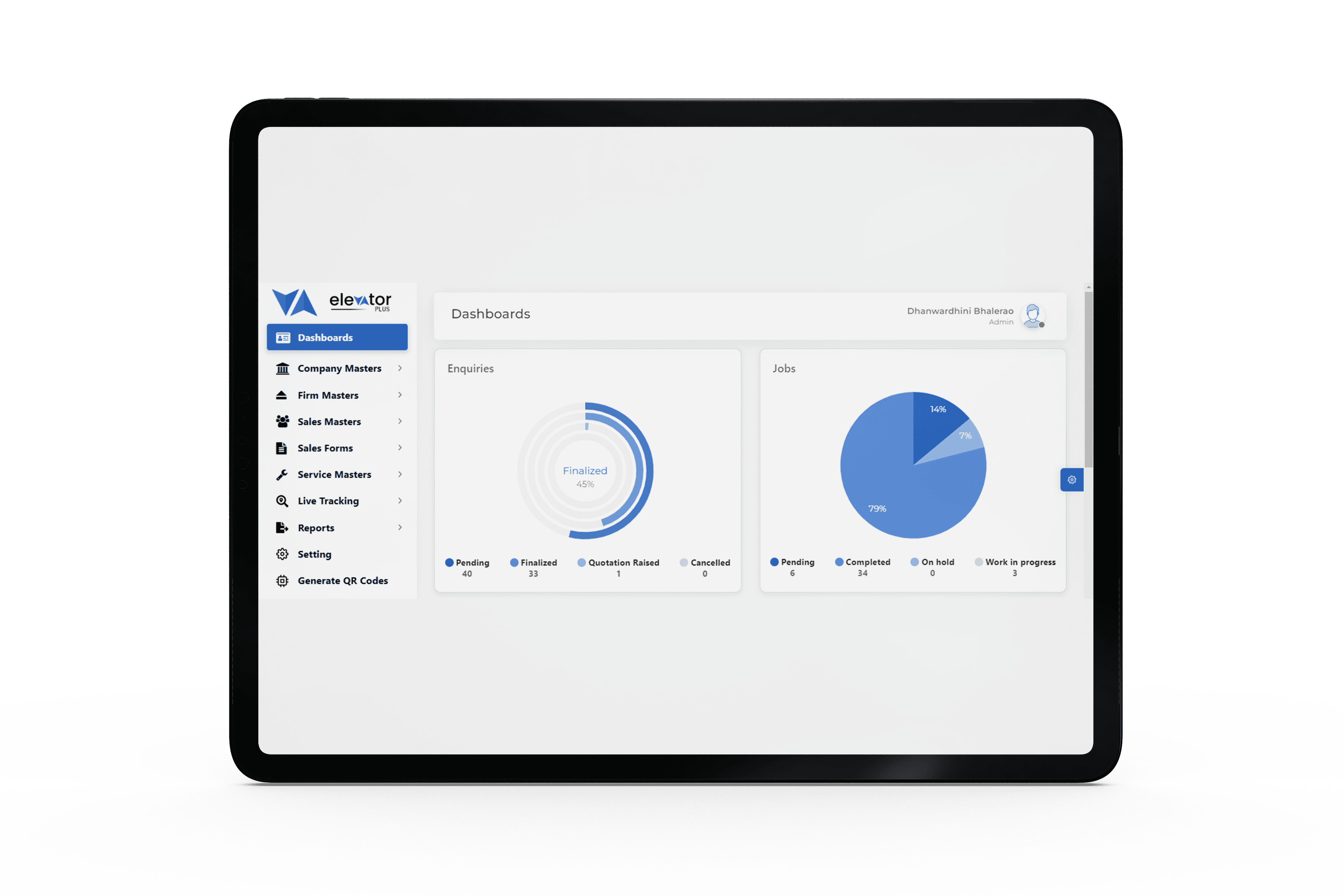
Data-driven decision-making: Gain actionable insights into your elevator performance with real-time data analytics. Optimize maintenance schedules, predict failures before they occur, and reduce energy consumption.
Enhanced Customer Experience: Improve communication and transparency with real-time service updates and proactive maintenance. Offer remote monitoring and support to ensure uptime and passenger satisfaction.
New Revenue Streams: Explore data-driven services like predictive maintenance contracts, remote monitoring subscriptions, and energy efficiency consulting.
The future of Elevator Business Management is digital. By ditching manual operations and embracing technology, you can unlock new levels of efficiency, customer satisfaction, and profitability in 2024 and beyond. Don't be left behind - invest in your future today.

Some Additional Tips:
- Start small and scale gradually. Begin by automating key processes like maintenance scheduling and data collection.
- Choose a reliable elevator management software provider with a proven track record and industry expertise.Get your team on board.
- Train your employees on new software and ensure they understand the benefits of digital transformation.
- Embrace continuous improvement. Regularly monitor your data and adapt your strategies to optimize performance and maximize ROI.
By taking these steps, you can ensure your elevator business is well-positioned for success in the digital age.
Remember, in 2024, manual operations will hold you back. It will increase costs, waste time, and lower customer satisfaction.
Embrace technology and watch your business soar!
As an elevator management business owner, you need a smart and simple solution.
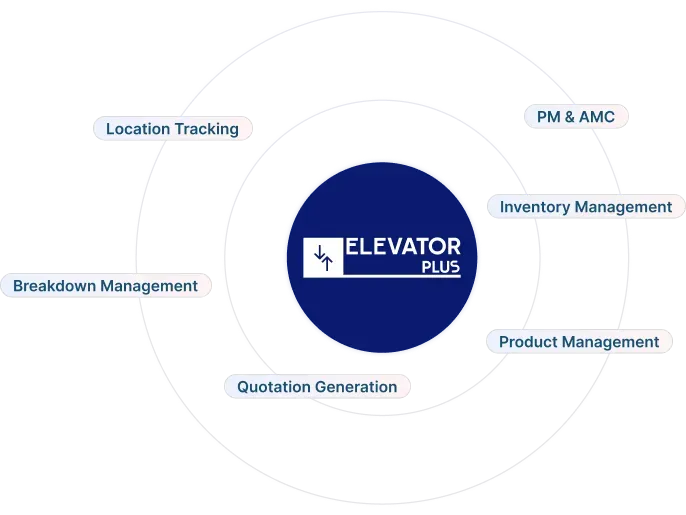
That’s why you should try Elevator Plus. Elevator Plus is a cloud-based solution that helps you with:
- One-click Estimation
- AMC Management
- Breakdown handling
- Leads follow-ups
- Team location tracking
- Attendance and business progress reporting.
Imagine your business running on autopilot - try Elevator Plus.